
Prof. Dr. Kentaro Kawanaka
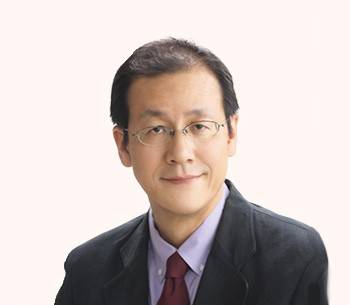 Professor Kentaro Kawanaka, earned his Ph.D. in Sports Science from Tsukuba University in 1995, where his research focused on the effects of muscle contractile activity on glucose transport in rat skeletal muscles. His academic background also includes a Master's in Sports Science from Tsukuba University and a Bachelor's degree in Civil Engineering from Kyushu University. Dr. Kawanaka completed postdoctoral fellowships at the National Institute of Health and Nutrition in Tokyo and at Washington University School of Medicine in St. Louis under the supervision of Professor J.O. Holloszy.
His laboratory investigates the molecular mechanisms by which physical inactivity induces skeletal muscle insulin resistance. Current projects emphasize the roles of α-ketoglutarate and thioredoxin-interacting protein (TXNIP) as negative regulators of insulin action in muscle. He also explores how glucose functions beyond energy supply, acting as a signaling molecule regulating muscle protein metabolism.
At Fukuoka University, Dr. Kawanaka has established the Exercise Nutrition and Biochemistry Laboratory and teaches courses in Molecular and Cellular Sports Nutrition. His research specialties include exercise physiology, nutritional physiology, carbohydrate metabolism, and protein metabolism. Through his leadership as Dean of the Graduate School, he continues to advance integrative research bridging exercise, nutrition, and metabolic health.
Title of the presentation: How physical inactivity induces insulin resistance in skeletal muscle glucose transport
Dr. Szilvia Perényi
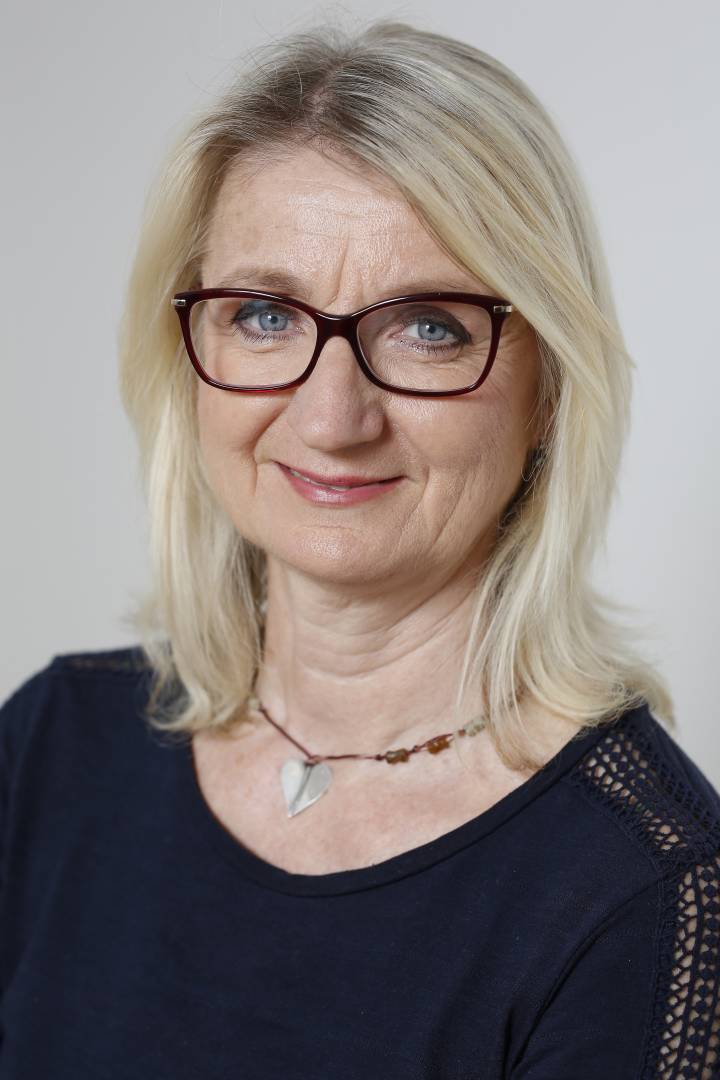 Perényi, Szilvia (PhD) is an associate professor at the Hungarian University of Sports Sciences (HUSS), Budapest; she completed her master’s degree as a Fulbright scholar in sports management at Florida State University, finished her PhD at Semmelweis University Faculty of Sports Sciences, Budapest. Has experience from different levels of sports with governmental, non-governmental and private entities; frequently serves on LOCs of international sporting events - among others the 1996 Centennial Olympic and Paralympic Games, the 2017 FINA World Championships or the Budapest2023 Athletics World Championship. Her research work is connected to sports participation and policy, volunteerism, functions of non-profit organizations in sports, also topics related to event management; often participates in Erasmus + Sports partnerships in areas such as social inclusion, volunteering, skills and competences or youth and child protection in sports.
Dr. Perényi participated as a researcher in the four-year research project titled “Child, Youth, and Sportprofessionals’ Safeguarding in Sports - Risk Factors and Prevention Strategies,” examining the organizational aspects of the topic; served as a speaker at numerous safeguarding training sessions for sports organisations, at national and international conferences; also integrated ‘safeguarding’ knowledge into the training of volunteers at large international sporting events. Dr. Perényi is the chair of the HUSS Research Ethics Committee, a member of the Hungarian Society of Sport Sciences and the European Society of Sport Sociology, where she has also served as an extended board member.
Title of the presentation: Safeguarding of athletes and sports professionals as a key to sustainablility in sports


